
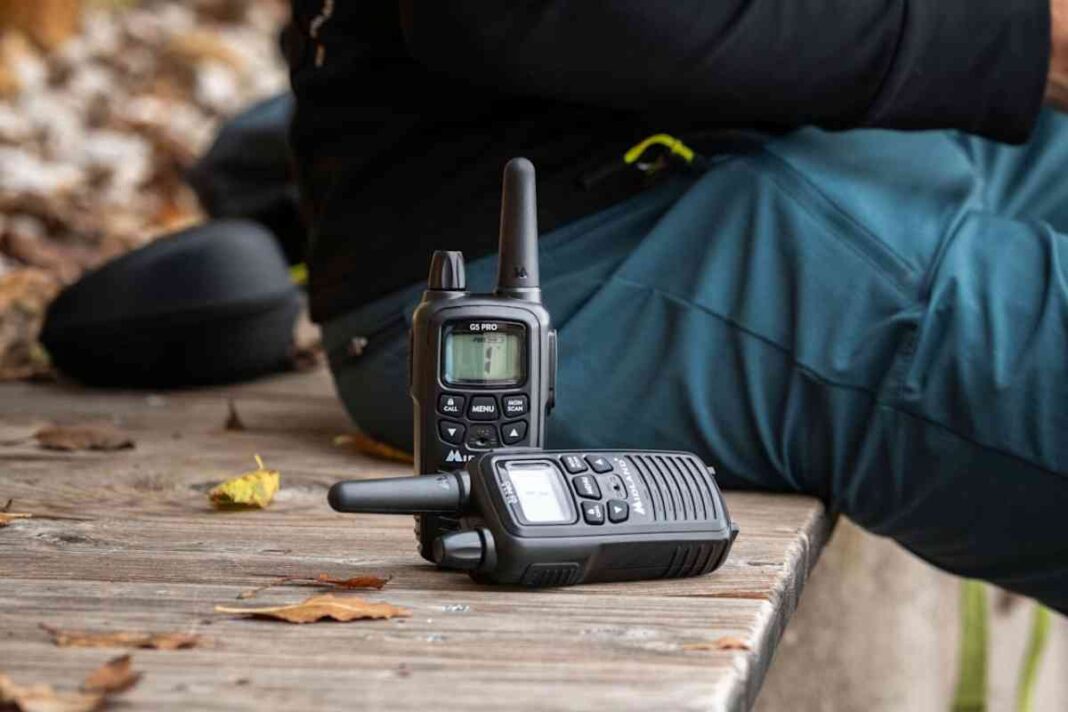
There’s a specific sound older radios used to make when communication started falling apart.
Static. Crackling. Half a sentence disappearing into electronic chaos while someone repeated “Come in?” over and over again like sheer persistence might improve signal strength.
For a long time, people simply accepted that as part of radio communication. Limited range. Spotty clarity. Dead zones. Giant antennas that somehow still failed the moment terrain became mildly inconvenient.
Modern walkie talkies changed that entire experience.
Quietly, too.
While most technology conversations focused on smartphones, apps, and wireless everything, walkie talkie systems evolved into something dramatically more advanced than the traditional radios many people still picture in their heads. Today’s devices offer nationwide communication, clearer audio, stronger reliability, and smarter connectivity features that make older radio systems feel surprisingly outdated.
And honestly, it happened faster than most people noticed.
Traditional Radios Had One Big Problem: Range
Older radio systems worked well, until distance got involved.
Traditional radios depended heavily on direct radio frequencies and line-of-sight communication. Buildings interfered. Mountains blocked signals. Forests weakened transmission. Once users moved too far apart, communication quality dropped fast.
Modern walkie talkies approached the problem differently.
Instead of relying entirely on old-school radio limitations, newer systems can integrate broader communication networks that dramatically extend coverage capabilities. Some devices now support nationwide push-to-talk communication, allowing users to stay connected across cities, states, and even coast-to-coast distances.
That’s a pretty major leap from “hopefully this works past the parking lot.”
And for travelers, outdoor groups, businesses, and emergency preparedness users, expanded connectivity changes everything.
Audio Quality Finally Caught Up
People forget how bad older radio audio could sound.
Muffled voices. Constant static. Sentences cutting out halfway through. Every conversation sounded vaguely like someone reporting from the middle of a hurricane.
Modern walkie talkies improved audio quality significantly through digital signal processing, noise reduction technology, and stronger network stability. Conversations now sound clearer, sharper, and far easier to understand even in noisy environments like construction sites, crowded events, or outdoor conditions.
Which matters more than people think.
Clear communication reduces mistakes. It speeds up coordination. It also prevents the deeply frustrating experience of repeating the same message four times while pretending not to get annoyed.
Technology finally decided people deserve better than permanent static.
Modern Connectivity Is Much Smarter
Traditional radios were fairly isolated systems. Limited channels. Limited flexibility. Limited communication options.
Modern walkie talkie technology behaves much differently.
Today’s systems often include GPS functionality, encrypted communication, group management features, digital channels, and network-based connectivity that allows communication far beyond standard radio frequencies. Some devices can even maintain communication through integrated nationwide systems rather than relying solely on local signal strength.
In practical terms, users stay connected more reliably across longer distances with fewer interruptions.
Which feels less like old radio technology and more like communication infrastructure that accidentally stayed underrated for years.
Battery Performance Became Far More Reliable
Older radios had a habit of dying exactly when people needed them most.
Modern walkie talkies improved battery efficiency dramatically through better power management and more advanced hardware. Many systems now support extended usage times capable of lasting full workdays, outdoor trips, emergencies, or long-distance travel without constant charging.
That matters because communication tools are only useful when they’re operational.
And let’s be honest, modern society already spends enough time obsessing over battery percentages.
Reliable power feels weirdly luxurious now.
Durability Is Finally Built for Real Life
Traditional consumer radios often struggled in rough environments. Drop them once, expose them to weather, or bring them outdoors long enough and problems usually followed.
Modern walkie talkies were designed more realistically.
Many devices now feature rugged construction, weather resistance, impact protection, and reinforced hardware specifically intended for demanding environments. Construction crews, travelers, outdoor enthusiasts, event coordinators, and emergency responders all rely on communication equipment that can survive actual use instead of requiring perfect handling conditions.
Because people are rough on gear. Constantly.
And reliable communication becomes much more valuable once environments stop being predictable.
Simplicity Somehow Survived the Upgrade
This might be the most impressive part.
Despite becoming significantly more advanced, modern walkie talkies still remain incredibly easy to use. Push-to-talk communication stays simple, immediate, and intuitive even as the underlying technology becomes more sophisticated.
No endless menus. No complicated setup procedures. No distractions competing for attention like smartphones constantly do.
Push button. Talk instantly. Hear response immediately.
That simplicity is part of why walkie talkie systems continue thriving across industries, travel groups, outdoor communities, and emergency preparedness situations alike. Advanced technology works best when people don’t need a tutorial every time they use it.
Funny concept, honestly.
Communication Technology Finally Evolved Beyond Its Reputation
A lot of people still think of walkie talkies as old-fashioned devices with limited usefulness.
The technology moved far beyond that reputation.
Modern walkie talkies now combine nationwide connectivity, clearer audio, stronger durability, smarter networking, and dependable battery life into communication systems that outperform traditional radios in almost every meaningful category.
And in a world increasingly dependent on fragile cellular networks and overloaded communication systems, reliable direct communication suddenly feels a lot more modern than outdated.
Especially when everything else loses signal first.